

Americans are opening their utility bills and asking a fair question: why does it cost so much to keep the lights on?
Gallup finds Americans are more worried about energy prices than they have been in almost two decades. And it’s no wonder why: The average bill is up nearly 34% over the last five years. Furthermore, electricity demand is projected to climb 55% over the next 25 years, driven largely by the rapid expansion of data centers. And rather than helping states meet that demand affordably, the Trump administration is doing all it can to block cheap, reliable American-made clean energy that could provide much-needed relief faster than anything else.
Here’s the good news: How to unlock lower electricity bills is not a mystery. Solar and wind are now the cheapest sources of new electricity by far, and clean energy made up 91% of the new grid capacity added in the first quarter of this year. The clean energy future isn’t on its way. It’s already here.
States that seize the clean energy future will see lower bills, a more reliable grid and good-paying jobs. States that sit it out will pay more money for less.
That choice is on the ballot this November. Voters in 36 states will elect governors, along with the legislators and utility regulators who decide whether their states build the cheap, clean power of the future or stay stuck paying for the expensive power of the past.
This year, through the State Power Project, my team and I have crisscrossed the country, working side by side with leaders in 15 states. Everywhere I go, I see hope for our future: the next generation of state leaders are talking about voters’ top issue of affordability with proactive plans to put clean energy front and center.
I want to highlight ten state races that I will be watching especially closely on November 3 – starting with five gubernatorial races today. Tomorrow, I’ll be back with five more state races I’m also keeping an eye on.
I just joined LinkedIn! Let’s connect there.
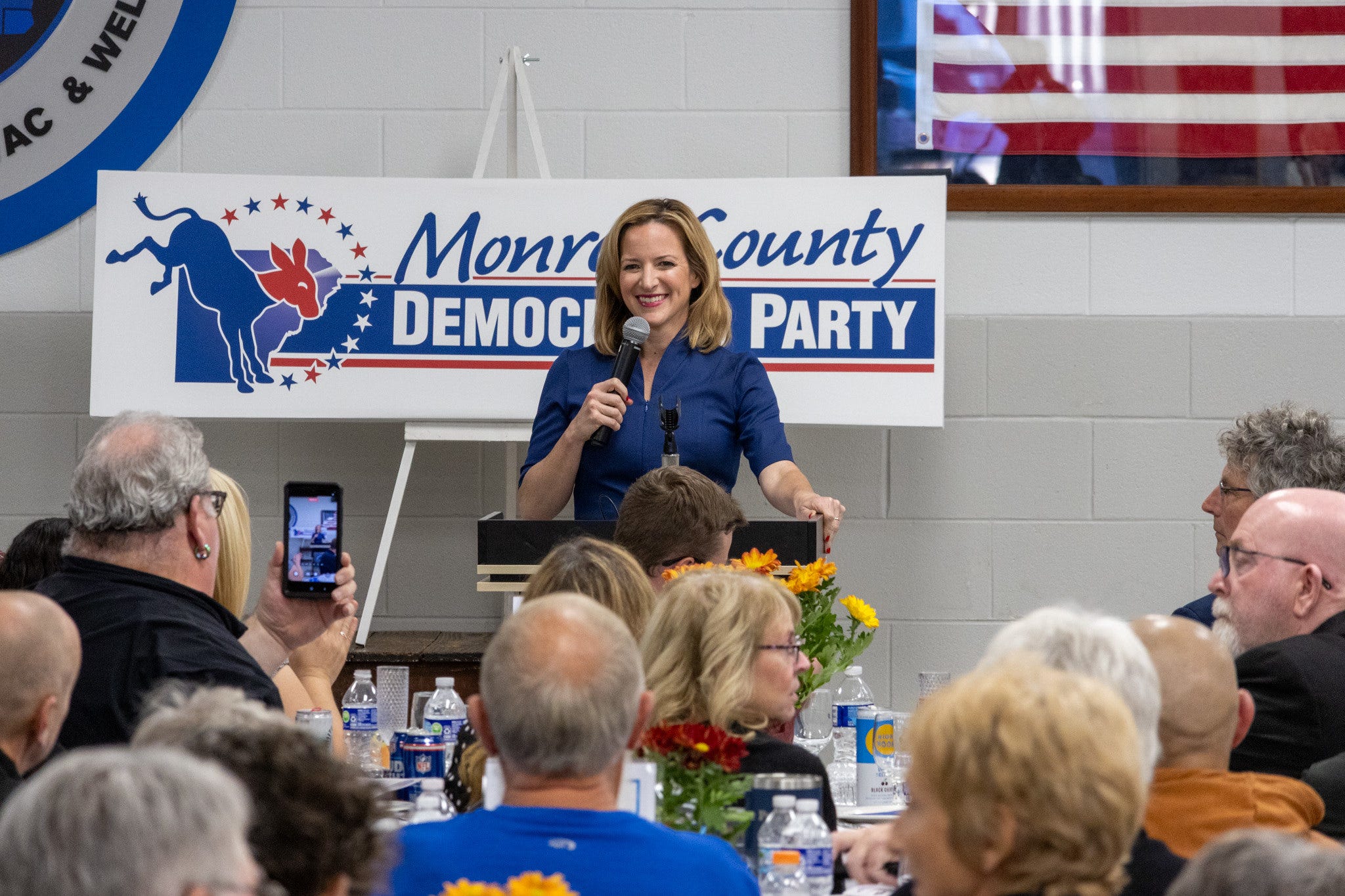
1. Jocelyn Benson, candidate for governor of Michigan
Michigan families have been forced to pay $180 million to keep a zombie coal plant running, thanks to Donald Trump’s broken and corrupt energy policies. Secretary of State Jocelyn Benson understands that families deserve better than paying hand over fist for expensive energy that doesn’t meet today’s needs.
I met with Benson back in April during a visit to the state to speak at Gov. Whitmer’s 5th annual MI Healthy Climate Conference. We talked about building on the state’s climate progress and putting clean energy at the center of an affordability agenda. This summer, Benson released an environmental policy framework that commits to growing Michigan’s renewable energy industry to cut utility costs, supporting Michiganders’ access to electric vehicles and transit to alleviate their pain at the pump, and putting enforceable guardrails on data centers.
A compelling new analysis from Evergreen Action also found that “policies modeled from Jocelyn Benson’s agenda would deliver significantly more savings for Michigan households, while policies modeled from [her opponent] John James’s agenda would leave families paying substantially more.” The difference could amount to $2,772 in savings for the average Michigan household over through 2040, if Benson’s plans go into effect instead of James’.
Bottom line: The state that put the world on wheels has every ingredient to lead in the clean energy economy, and Jocelyn Benson is ready to make it happen.
Check out more at https://www.jocelynbenson.com/
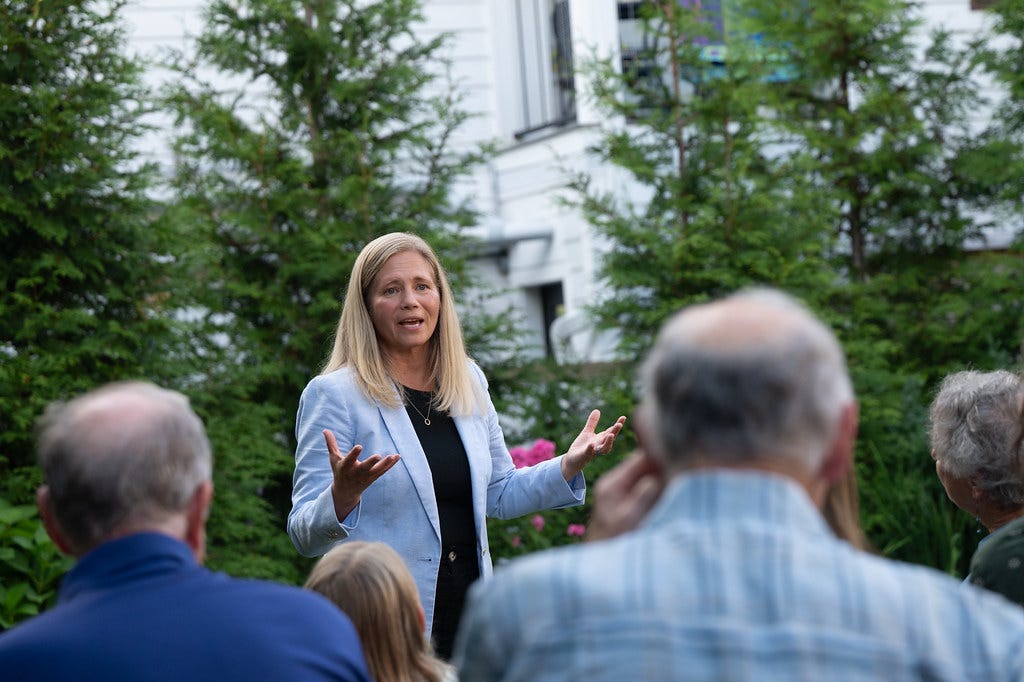
2. Hannah Pingree, candidate for governor of Maine
Few states feel the volatility of fossil fuel prices more than Maine, where about half of households heat with oil and the average price recently topped $6 a gallon. The rising cost of oil will be a major burden for Mainers trying to heat their homes this winter.
Hannah Pingree, who is a former speaker of the Maine House of Representatives and co-chair of the Maine Climate Council, has a plan to diversify Maine’s energy mix by expanding heat pumps and local solar, tying utility profits to lower bills, and delivering 100% clean energy. I’ve been honored to work with Speaker Pingree throughout the campaign: I was proud to be an early endorser of her campaign, and I’m excited about her policy plans for her state.
Bottom line: Homegrown power, efficient electric heating, and a modern grid can insulate Maine families from the next price spike. I look forward to seeing Hannah Pingree’s leadership in action.
Read more at https://hannahforgovernor.com/
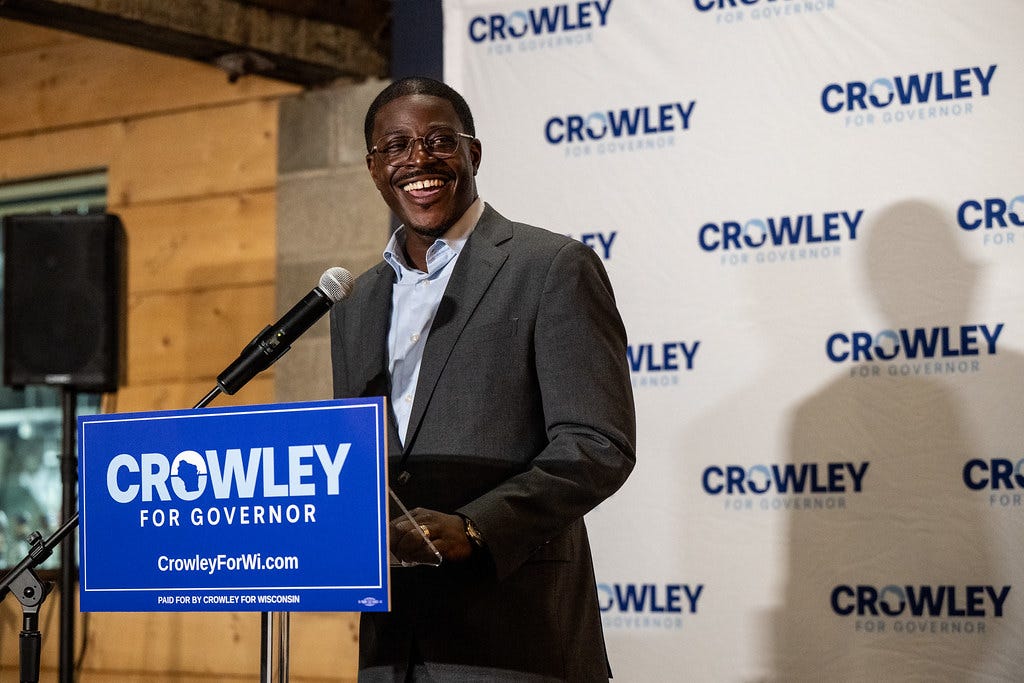
3. David Crowley, candidate for governor of Wisconsin
David Crowley doesn’t just talk about affordable clean energy. As Milwaukee County executive, he’s already delivered it.
Earlier this month, I joined him for a fireside chat at the Wisconsin Building Trades annual conference. The room was full of the electricians, pipefitters, and ironworkers who will build Wisconsin’s energy future with their own hands. And that’s the point: Every solar array, transmission line and battery project can be a union job that also lowers energy costs for the families next door.
Crowley spoke about his commitment to working people, and working together to build a better future for Wisconsin. Crowley is facing Congressman Tom Tiffany – who has supported Donald Trump’s cost-raising anti-clean energy energy agenda in Washington, D.C. In fact, a new analysis from Evergreen Action shows Crowley’s energy plan would save families $826 per household by 2040. That’s a $4,000 gap with Tiffany’s plan, which would cost families $3,181 in that same time frame.
Bottom line: With Crowley as Wisconsin’s next governor, the state can deliver both high-paying jobs and lower energy bills.
Read more at https://www.crowleyforwi.com/
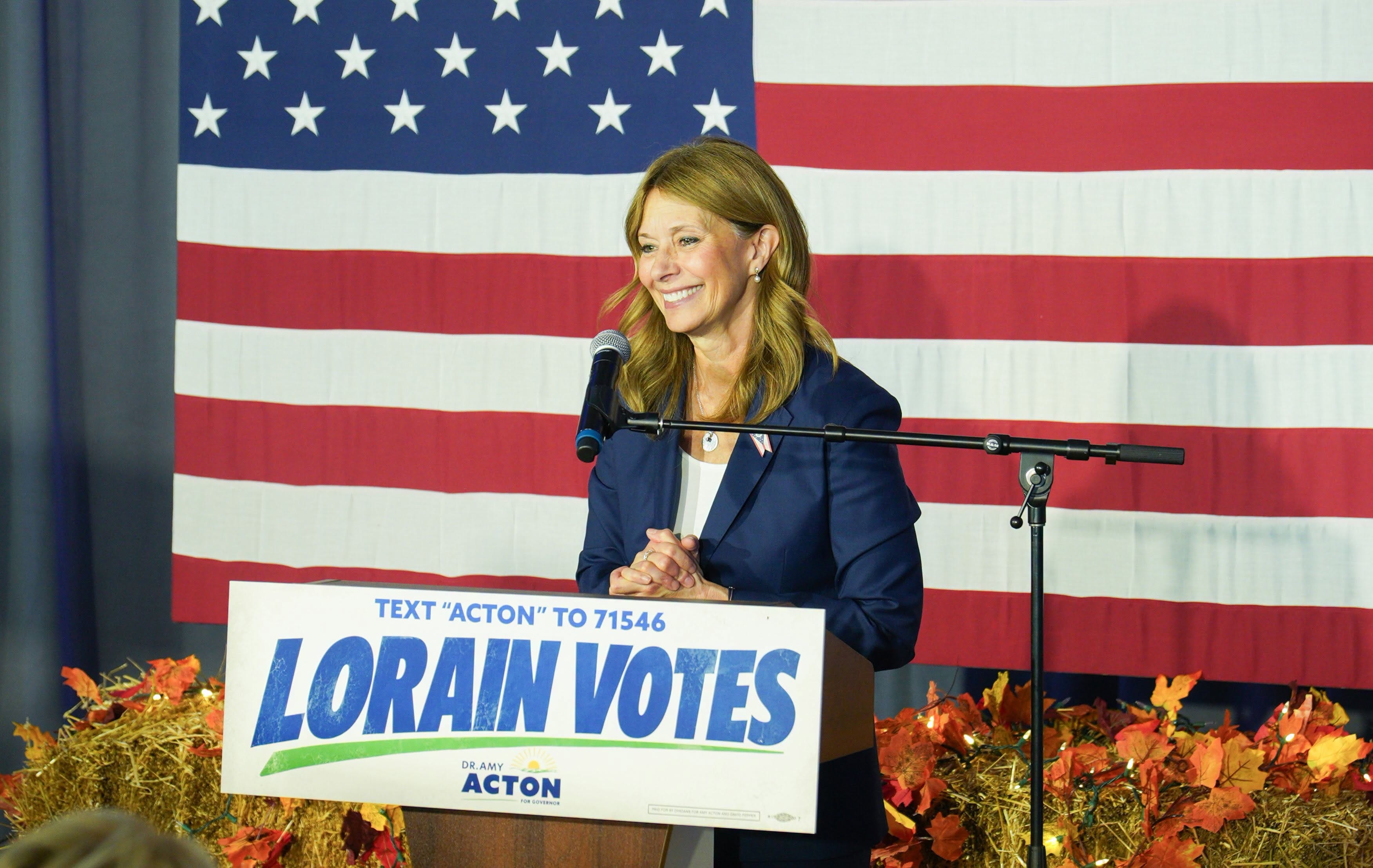
4. Amy Acton, candidate for governor of Ohio
Ohio families have been paying the price of an energy policy built for utilities rather than ratepayers – with corruption scandals, bad state policy, and a broken regional electricity market governed under PJM Interconnection.
America has learned over the past weeks what a strong candidate and smart leader Dr. Amy Acton is. She has put affordability at the center of her campaign, with plans to cut energy bills by growing clean energy, to restore the efficiency, demand-response and renewable energy policies programs cut under House Bill 6, appoint utility commissioners who will put ratepayers first, work with other governors to reform PJM, and make data centers pay their fair share. In October, I visited the Buckeye State, where I met with Acton’s running mate, David Pepper, and spoke before Power A Clean Future Ohio’s annual clean energy champions dinner.
Bottom line: Ohio has everything it needs to win the next wave of energy jobs: skilled workers, ambitious businesses, and a proud manufacturing tradition. What it needs now is a governor ready to lead. Amy Acton is that leader.
Learn more at https://actonforgovernor.com/
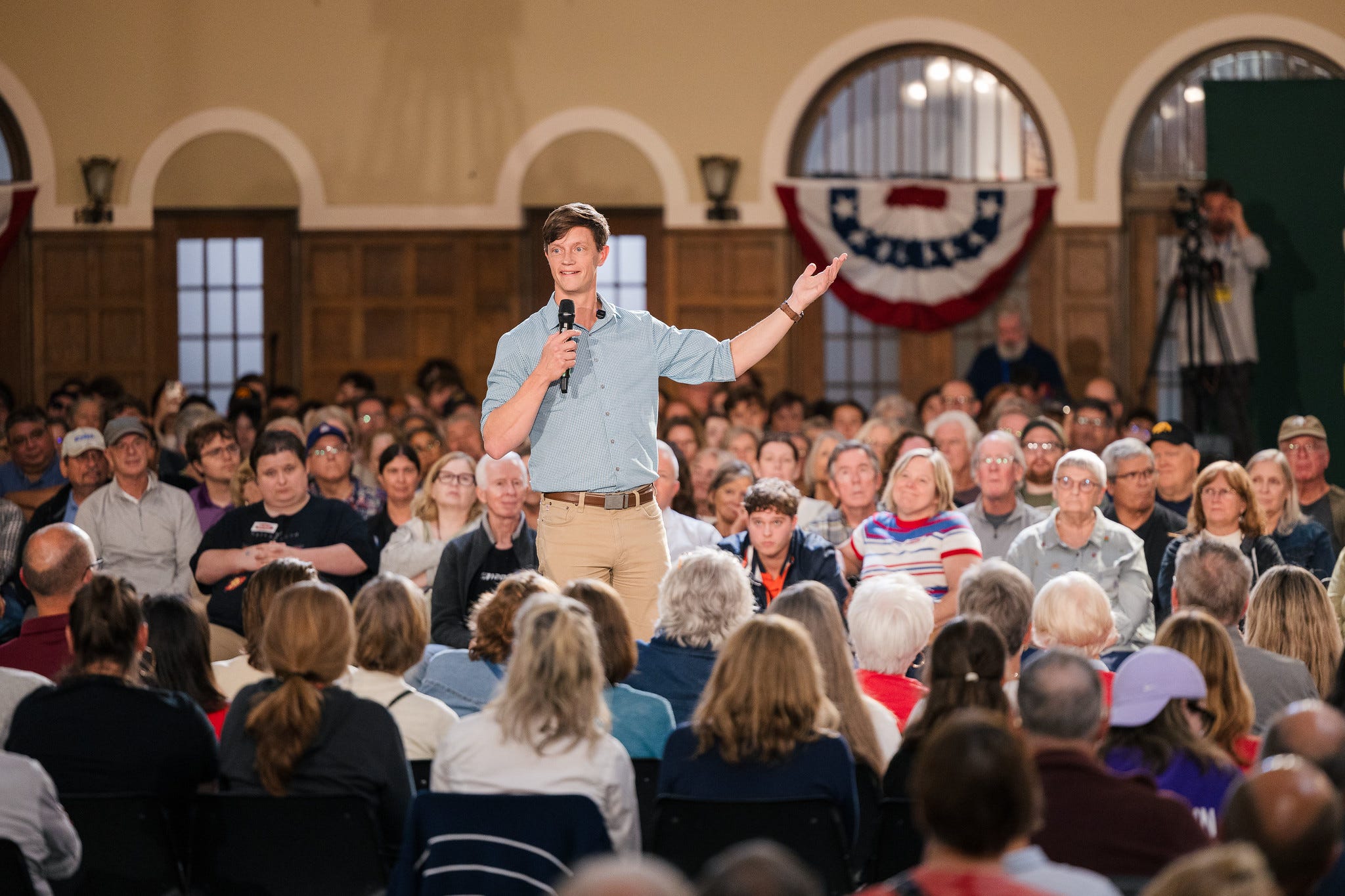
5. Rob Sand, candidate for governor of Iowa
Iowa passed the nation’s first renewable energy standard in the 1980s, signed by Republican Governor Terry Branstad, with whom I would later serve and work together on clean energy. Their clean energy story is a bipartisan one, and Iowans know better than most what homegrown energy can do for a largely rural economy. Today, they are concerned about what the data center boom will do to their bills; polls show Iowa voters opposed data centers being built near their communities – with the biggest concern being about impacts to the local environment. State Auditor Rob Sand has said he wants data centers to “pay full freight” and to be transparent about their water and electricity use.
Bottom line: Iowa has a golden opportunity: power new demand with homegrown clean energy without sending the bill to families. Rob Sand is ready to seize that opportunity. I’ve known Rob for years, and I can tell you he’s going to be a fantastic governor.
Learn more at https://robsand.com/
The choice in front of voters
These candidates are running in different states and for different offices, but they share one conviction: a clean energy economy is an affordable economy. Lower bills and clean power aren’t competing goals. They’re the same fight.
The market has already made its choice. Clean energy is winning on price, on speed, and on jobs. The only question left is whether the leaders we elect will seize this moment.
On November 3, voters get to answer that question. Early to bed, early to rise, work like hell and organize. Let’s go get ‘em.
Jay Inslee served as governor of Washington from 2013-2025. He previously served in Congress from 1993-1995 and 1999-2012. Inslee is now working with state leaders to build a more affordable, secure and prosperous clean energy economy, through the State Power Project.
We would be happy to host you in Dubuque in support of Rob Sand if you will be in the area anytime over the next several days.