

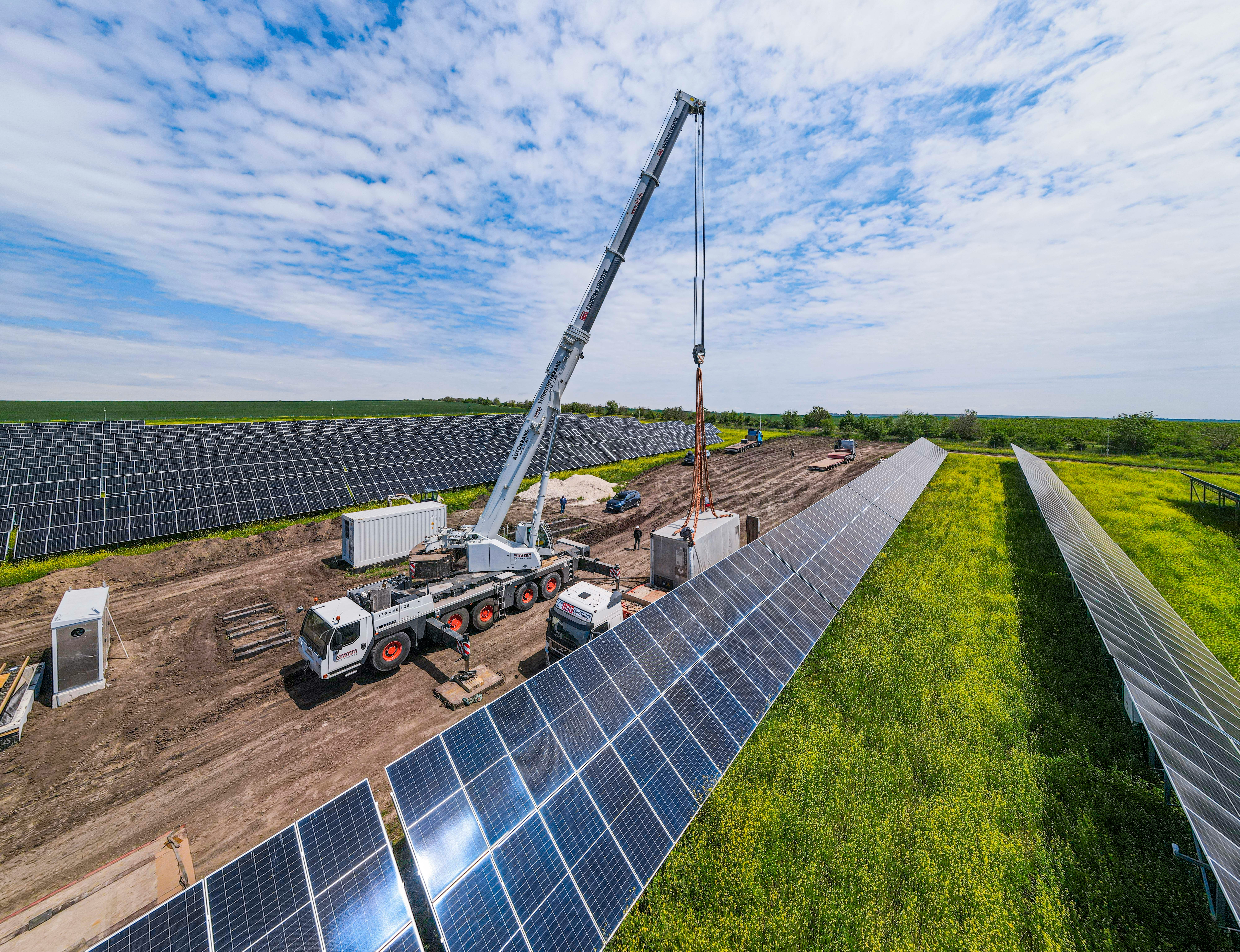
Americans are facing rising energy bills while witnessing a presidential administration with a vendetta against the cheapest, fastest-to-install form of energy. It’s a bizarre mix: President Trump tried to shut down an 80 percent complete wind energy project that would have powered 350,000 homes, while forcing American ratepayers to pay $180 million to keep a zombie coal plant alive.
I’ve heard the question repeatedly in recent months: With an administration so hostile to affordable clean energy, where can Americans turn for hope? The answer is in the states, the “laboratories of democracy” that are continuing to lead on clean affordability energy today, despite what’s happening in Washington, D.C. Try as he might, President Trump cannot stop state progress on clean energy.
States have long been at the forefront in America’s energy policy innovation, and amidst skyrocketing utility bills their leadership is now more important than ever. Iowa in the 1980s passed the first renewable energy standard. Texas in the 2000s enacted policies that have made it the national leader in low-cost clean energy deployment. And nine years ago, I joined the governors of California and New York to launch the U.S. Climate Alliance — a bipartisan alliance of over 20 states advancing a shared clean energy agenda, regardless of what happens in Washington, D.C.
In recent years, when federal policy has lurched from the neglect of Trump’s first term, to the historic investments of the Biden years, to an even more hostile second Trump administration, states have continued making progress building a more affordable, reliable, and cleaner energy system.
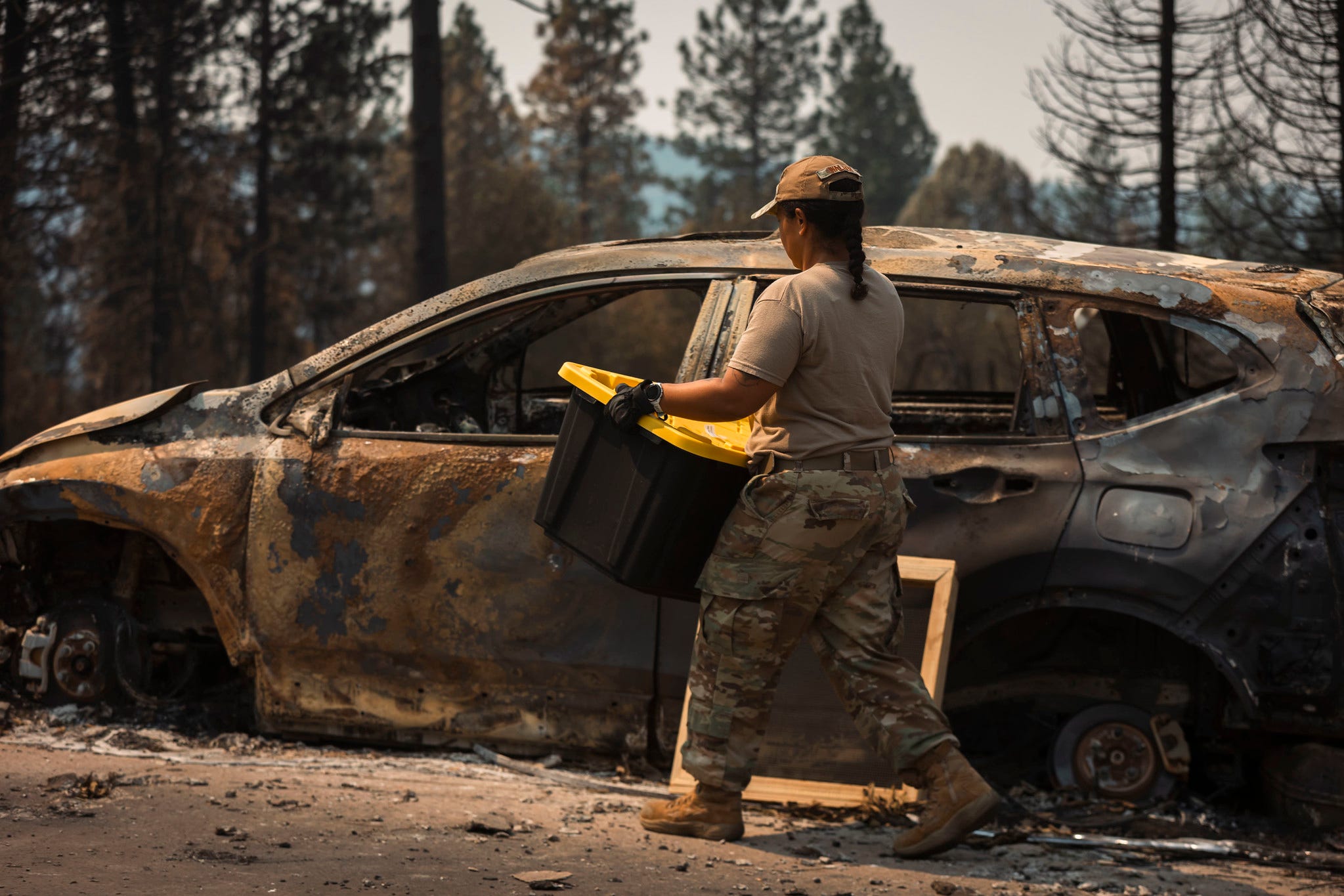
Today, states have a larger responsibility than ever. Energy costs have become one of the top financial concerns for American families, with Gallup polling showing worry about energy prices at its highest level in 18 years. At the same time, electricity demand is projected to rise 55 percent over the next 25 years, driven largely by the growth of data centers. And rather than helping states meet that demand affordably, with clean energy the Trump administration is doing all it can to block new energy projects — driving costs up for consumers. All the while, the climate crisis continues to raise costs for Americans and cause increasing harm to our communities — just look at the wildfires that have raged throughout North America this summer.
This is precisely why state leadership matters right now. States control major levers over their own energy systems — from utility regulation and permitting, to infrastructure development and finance. And clean energy is the tool best suited to the moment. A July report from the advisory firm Lazard shows that solar and wind are now the cheapest forms of new electricity generation by far, cheaper than new gas power plants. Clean energy is also faster to build, which matters enormously given how quickly demand is growing. Clean energy made up 91 percent of new grid capacity added in the first quarter of 2026, and solar outpaced coal generation for the first time in American history this past May. States that embrace that reality can deliver real relief to their residents. States that don’t will be left paying more for less.
This year also presents an inflection point, in which American voters will elect the governors, legislators and public utility commissioners that will help determine our nation’s energy future. Thirty-six states hold gubernatorial elections this November, and at least 21 brand new governors will take office next year. Voters will decide on new members and majorities in state legislatures and utility commissions in places like Michigan, Wisconsin, Arizona and Georgia. One way or the other, 2027 will bring a new crop of state leaders, and with it the opportunity to build a more affordable and prosperous American economy — powered with clean energy.
We’re already seeing what this leadership looks like in practice, with two new governors elected just last year, both of whom ran with affordable energy at the center of their campaign platforms. In New Jersey, Gov. Mikie Sherrill has taken on out-of-control utility rate increases, signed legislation to modernize the grid, and approved 18 new clean energy projects. In Virginia, Gov. Abigail Spanberger has signed legislation to expand solar deployment — helping families save an average of 23 percent on their utility bills with in-home energy installations. From the plains of Illinois to the coast of New England to the deserts of New Mexico, states are moving the ball forward with more affordable and reliable clean power.
State leaders must of course be clear-eyed about the obstacles the federal government is putting in their path. The Trump administration has admitted in court that it has cancelled energy grants to states that did not vote for him, while preserving them for red states — a sign of how Republican governors wanted to keep their clean energy money.
Trump’s cuts to clean energy programs are projected to add $11.6 billion to American household energy bills over the next decade; the predictable result of a federal approach that favors the profits of incumbent energy interests over the interests of ratepayers. But states have their own power — they can accelerate interconnection of new clean generation, control how utilities recover costs, hold data center developers accountable, and ensure that as energy demand grows the costs of meeting it aren’t dumped onto American households.
The market has already shifted. Clean energy is cheaper and faster to build than the alternatives, and demand for electricity is only going to keep climbing. The only question left is whether current and future state leaders, and the voters who elect them, will use the tools they have to turn that shift into lower bills and more reliable power for the people they serve. That is the opportunity in front of states right now — this year. And it cannot and must not wait for Washington, D.C.
Jay Inslee served as governor of Washington from 2013-2025. He previously served in Congress from 1993-1995 and 1999-2012. Inslee is currently working with state leaders to advance a more affordable and prosperous clean energy economy, through the State Power Project.
So great to see you on here, Governor Inslee! Glad to have you sharing your hard-earned climate wisdom with all of us.
Good to hear your voice, Governor Inslee. You said that State’s provide the permits and financing. State’s determine whether or not a project is built.
We the People, are the State.
We know that renewables are Cheaper. It is our money that powers the future for our families and communities. The alternative is extinction.