

Yesterday, I wrote about five governor’s races that I have been watching closely this election season. I know firsthand how vital governors are in building a more affordable economy that’s powered with clean energy. That matters more than ever right now, as the Trump administration tries to play “Weekend at Bernie’s” with expensive and outmoded fossil fuels energy sources, and blocks new affordable clean energy at every turn.
But the governor’s office isn’t the only place where these fights are won. Further down the ballot, utility commissioners, state legislators and other state officials also decide what we pay for energy, and where it comes from. They can fast-track clean energy or stall it, and they can rein in soaring electricity bills or approve the next rate hike.
Check out five more races I am watching closely, along with my team at the State Power Project.
I just joined LinkedIn! Let’s connect there.
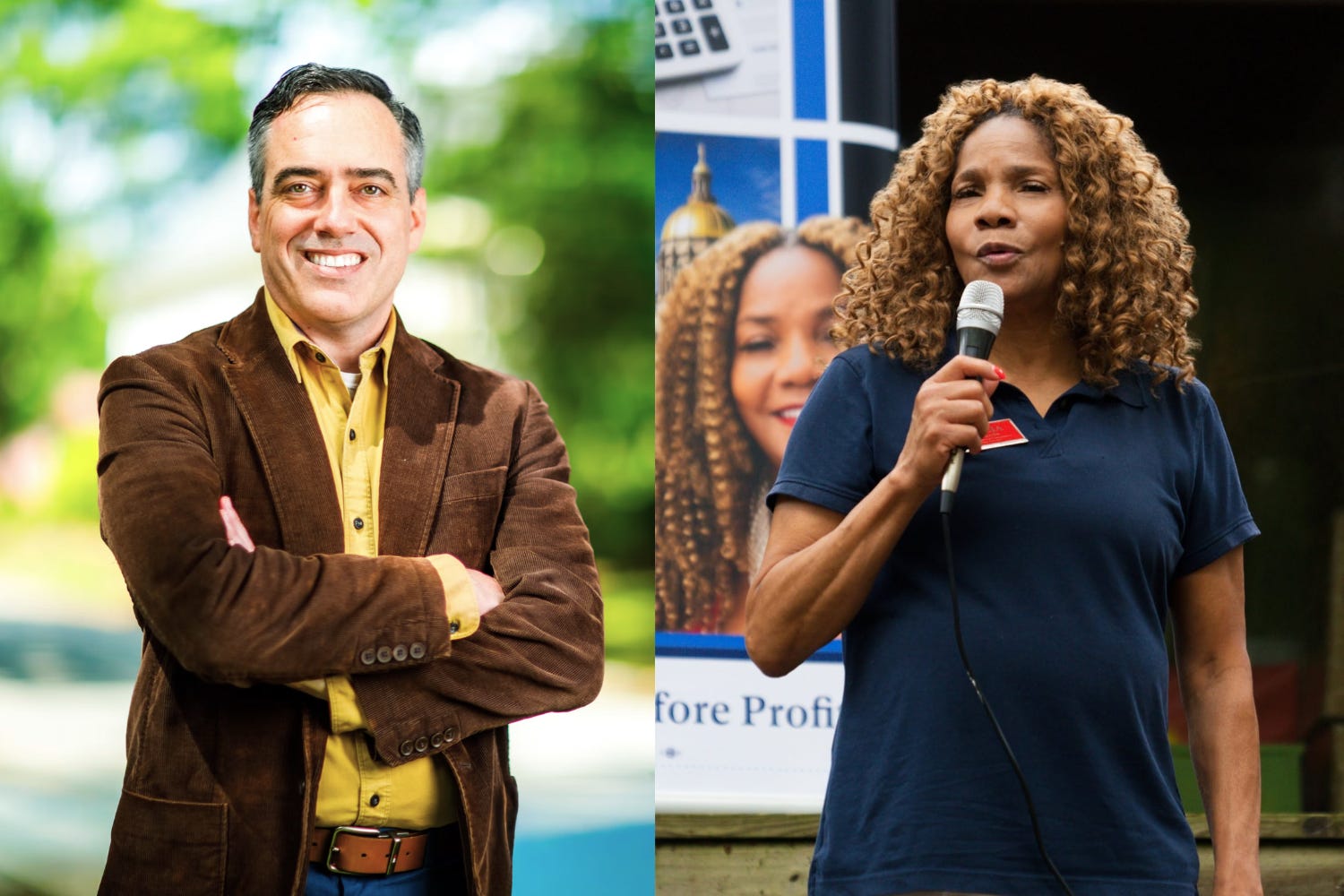
1. Peter Hubbard and Shelia Edwards, candidates for Georgia Public Service Commission
In most states, the utility commission is the most powerful office nobody talks about. In Georgia, it decides what Georgia Power can charge and how much new generation gets built, after six rate increases in two years. Last November, voters ousted two incumbents and sent Democrats to the commission for the first time in two decades. Two more seats are up this year, and majority control hangs in the balance. Because commissioners are elected statewide, every Georgian gets a say. This summer, I was proud to join Georgia Conservation Voters to help elect a pro-clean energy majority to the PSC, one that will put Georgians’ wallets ahead of the status quo.
Peter Hubbard, now in his first year on the commission, spent years as a clean energy developer and as an advocate before the commission itself. He is campaigning on lower bills, more clean energy and closer scrutiny of what data centers cost everyone else.
Shelia Edwards has called for expanding solar net metering in Georgia and says she is committed to a clean, affordable energy future.
Georgia is home to the fastest-growing data center construction hub in the country, making these races even more important right now.
Bottom line: Want proof of what’s at stake? Just last December, Georgia’s Public Service Commission approved 10 gigawatts of new capacity, most of it power plants run on expensive gas fuel, locking in costs Georgia families will be paying for decades. That’s the power these seats hold.
Check out their websites at https://www.peterforgeorgia.com and https://www.shelia4psc.com
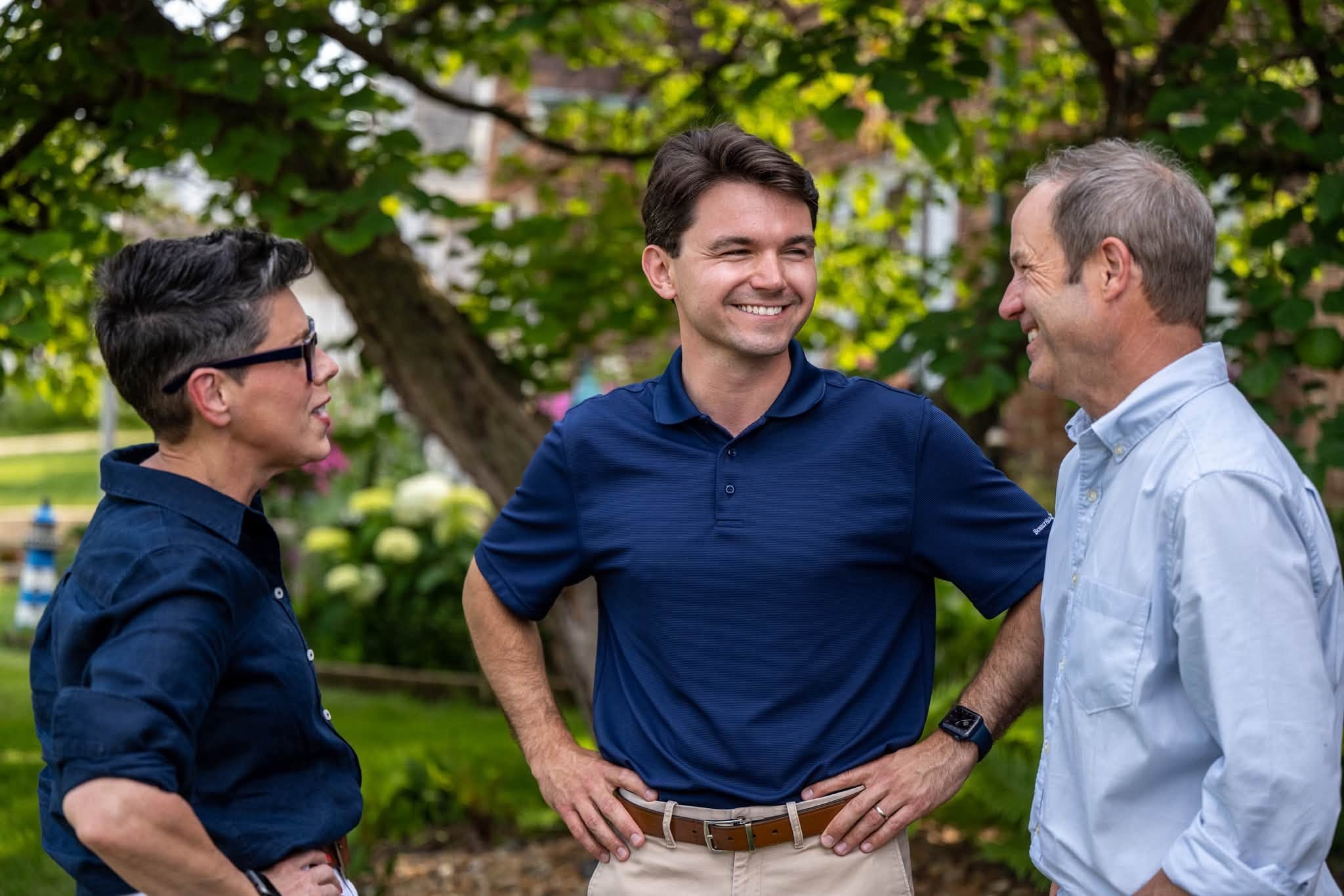
2. Trevor Jung, candidate for Wisconsin State Senate
Governors can set the agenda, but in Wisconsin, it takes a Senate willing to pass it. Republicans hold the chamber 18 to 15, Democrats need a net gain of two seats. That’s one of the reasons I’m excited about Trevor Jung, a former Racine alderman and transit director running for the open 21st District seat in Racine and southwest Milwaukee County.
Jung gets it. He calls voter worries about data centers real and justifiable and he has a plan: make data centers pay their own way, and make sure not one dime of their energy infrastructure costs lands on working families. He wants Wisconsin leading in clean energy and the industries of the future, and the building trades are behind him, including IBEW and LiUNA. He’s also got the record to back it up. As Racine’s transit director, he led the state in putting federal electric vehicle infrastructure dollars to work, and he’s endorsed by Climate Cabinet.
Bottom line: If Wisconsin wants to hold data centers accountable and put union members to work building lots more clean energy, it needs Trevor Jung in the State Senate.
Read more at https://trevorjung.com
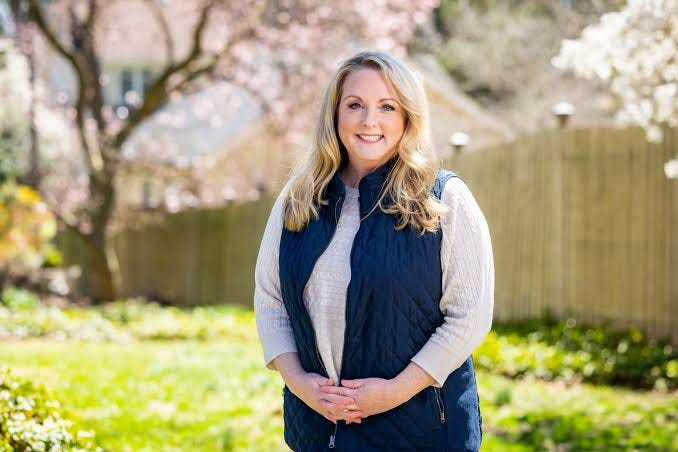
3. Eileen Hartnett Albillar, candidate for Pennsylvania State Senate
Without a supportive State Senate, even the best clean energy ideas stall. Republicans hold the Pennsylvania chamber 27 to 23, and have done everything possible to block reforms that would deliver more affordable and clean energy.
I’m excited about Eileen Hartnett Albillar, the Bucks County Clerk of Courts and a former Warrington Township Supervisor with a background in social work. Albillar is campaigning on “reducing energy burden for all families” and holding energy companies accountable for passing their fees on to ratepayers. Her campaign has made data center tax breaks an issue in this race. Albillar is endorsed by Climate Cabinet, the League of Conservation Voters, and the Sierra Club.
Bottom line: If Pennsylvanians want lower energy bills and new laws that make data centers pay their own way, flipping this seat is important to making it happen and Eileen is the right person for the job.
Learn more at https://www.eileenforpa.com
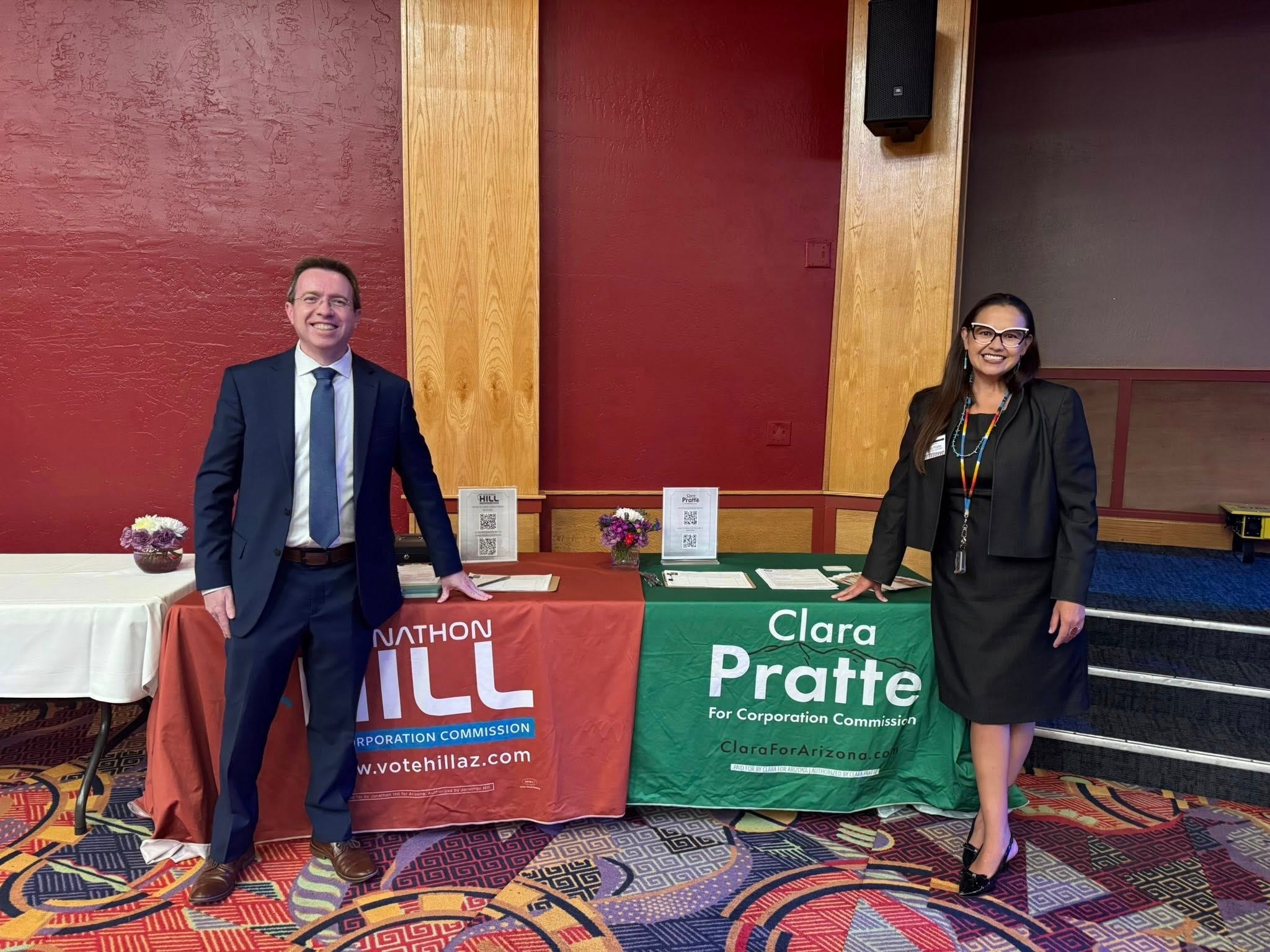
4. Clara Pratte and Jonathon Hill, candidates for Arizona Corporation Commission
In Arizona, the Corporation Commission is the most powerful office most voters have never heard of. It decides what the state’s utilities can charge and what power plants get built. All five commissioners are Republicans, and two seats are up for election this year. Voters can pick two candidates, and the top two vote-getters statewide win, so every Arizonan has a say in who regulates their utilities. I’m excited about Arizonans’ opportunity to elect Clara Pratte and Jonathon Hill to those two seats.
Clara Pratte grew up on the Navajo Nation. She says she “grew up without running water and electricity” and so knows how hard those choices are. She co-founded Navajo Power, which partners with tribal communities on low-cost renewable energy projects. She wants to restore energy efficiency policies and incentives for people to achieve energy freedom with rooftop solar, and bring back regional hearings outside Phoenix.
Jonathon Hill is a geologist and spacecraft engineer at Arizona State University who has worked on NASA missions. He wants to scrutinize rate requests with technical questions and invest in low-cost clean energy. He and Pratte are running together on a platform that the commission should do more to curtail excessive rate increases and limit what large users like data centers add to residential bills.
Bottom line: Want proof of what’s at stake? APS is asking for a massive residential rate increase, who pays for data center demand is one of the biggest pending questions before the commission, and earlier this year, the commission ended utilities’ requirements to cut costs with more energy efficiency and clean energy. That’s the power these seats hold.
Check out their websites at https://www.claraforaz.com and https://www.votehillaz.com

5. Juan Sanchez, candidate for New Mexico State Lands Commissioner
It may be one of the most powerful offices you’ve never heard of. New Mexico’s Lands Commissioner controls millions of acres of public trust land, and decides how that land earns money for the state’s schools, hospitals and other beneficiaries.
Juan Sanchez, a former Army Corps of Engineers natural resource specialist and former staff member for U.S. Senator Martin Heinrich, wants to make that local revenue less dependent on oil and gas. He says New Mexico has “tremendous wind, solar and geothermal potential” and would pursue responsible renewable energy development and transmission on state trust lands, bringing new revenue for schools. Few down-ballot offices do more to turn clean energy progress into dollars for classrooms, too.
Bottom line: With Sanchez’s leadership as lands commissioner, New Mexico can seize on clean energy and bolster both its economic future and its budgets for schools and local governments.
Read more at https://juanfornewmexico.com/
Election Day is right around the corner
Different states, different offices, one shared belief: affordable energy and clean energy are the same thing. And believe me when I tell you this: Anyone telling you to pick one is selling you a false choice.
Clean energy is already the cheapest, fastest power to build, and it’s putting people to work across the country. The market has moved. The question is whether our leaders will move with it or keep us stuck paying for the past.
On November 3, voters decide. Don’t sit this election out – make sure to get out and vote.