

Earlier this month American voters delivered a message that needs no translation: make their lives, including their energy, more affordable. And they elected governors and state leaders who now have an opportunity to deliver.
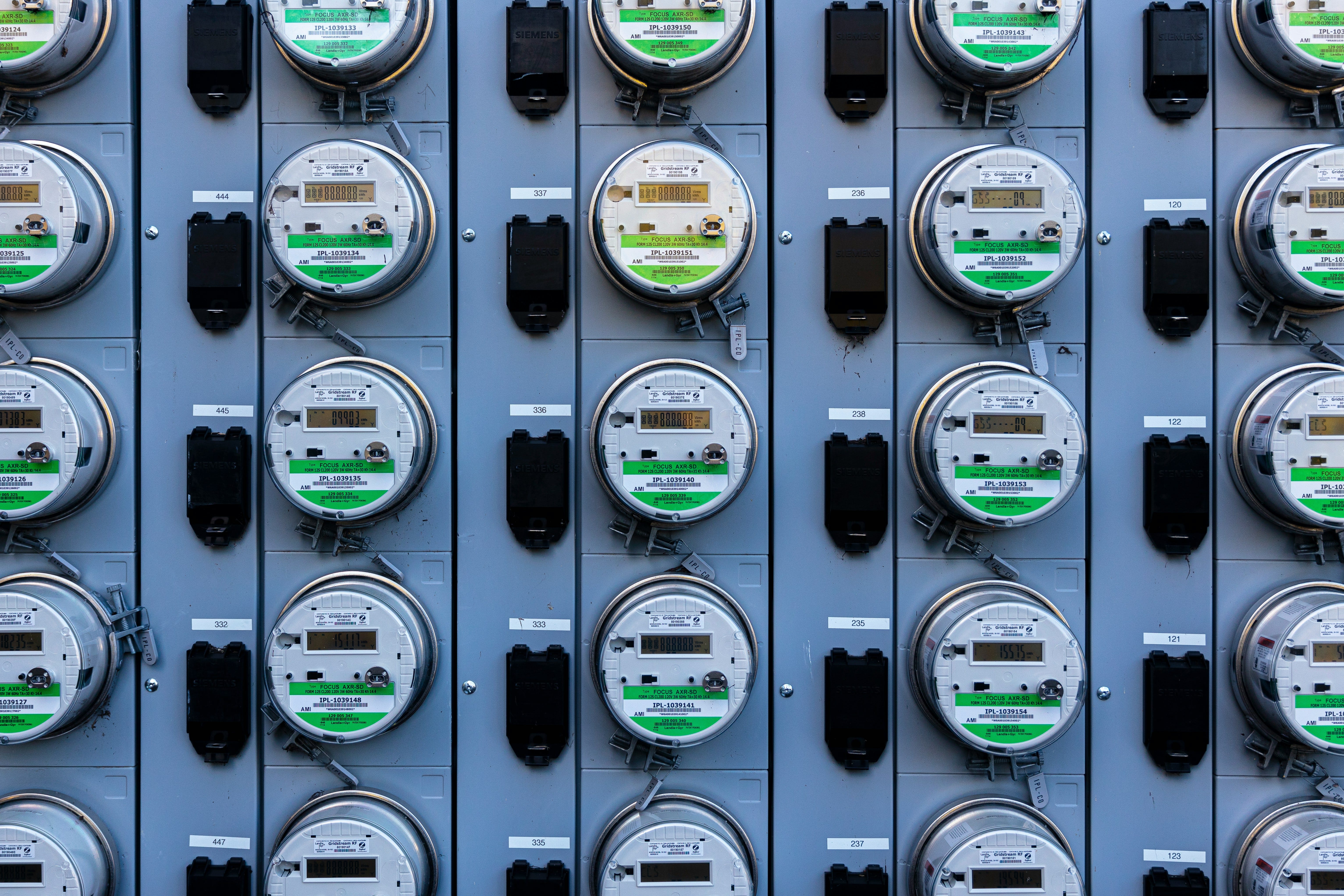
It’s no surprise why. Gasoline prices hit a record high before Election Day, in no small part due to President Trump’s disastrous war in Iran. Electricity bills have been climbing at a rate not seen in decades, driven by rising demand, an aging grid, accelerating climate disasters, and volatile gas prices that utilities pass along directly to their customers.
Americans want someone to take decisive action. Donald Trump promised that he would lower energy costs. Instead he launched a war on clean energy — the cheapest, most readily-available new energy to power our economy — and increased Americans’ energy bills. So, voters threw out the Republicans who have been supporting him every step of the way – and they elected a new crop of leaders who can deliver a more affordable economy, powered with clean energy.
I just joined LinkedIn! Let’s connect there.
Now the hard part begins: governing. And state policymakers, in particular — governors, legislators, public utility commissioners, and others — have an opportunity and a responsibility to deliver on energy affordability.
It’s on us to help them. Three things need to happen:
First, help new governors succeed
Twenty-one new governors will take office next year. Each has roughly 75 days between election and inauguration to hire staff, choose cabinet appointees, write a day-one agenda and draft a first budget. Reflecting on my three terms as governor of Washington, I remember that this period between Election Day and Inauguration Day was both critical and difficult. Transition teams are small and stretched thin — they could use all the help they can get.
Charged Up: 5 Future Governors Ready to Build an Affordable Clean Energy Future

Americans are opening their utility bills and asking a fair question: why does it cost so much to keep the lights on?
This short memo (which you can download below) is informed by State Support Center’s Clean Transitions Playbook and shows how stakeholders can help new governors succeed on clean energy and climate. Recommendations include:
Help teams find good candidates to appoint to key seats, like utility commissions, state energy offices and transportation departments.
Bring your top three priorities, not your top 30, and tie every ask to a promise the governor-elect has already made.
Think in budget terms, because the first budget is often a new governor’s top policy focus.
Environmental advocates, clean energy companies, labor unions, ratepayer advocates and environmental justice groups and others in civil society all have a role in helping these governors get moving quickly. Early wins matter. State decision-makers who deliver early earn the trust to do much more.
Second, move on the policies that will deliver relief on energy bills
America’s energy economy has evolved rapidly – in the age of load growth and rising utility bills – and state energy policy needs to rapidly evolve with it. Here’s some places to start:
Protect communities from bad data center deals
Data centers are coming, and they are hungry for energy. States can require them to pay the full cost of the generation and transmission they need, so no family subsidizes a tech giant’s growth. State policymakers can ensure new demand is met with new clean energy, and prevent the expansion of behind-the-meter gas that’s polluting communities and driving up home energy and heating costs. Water use, air pollution and noise should be regulated. And the secret deals have to end: no nondisclosure agreements hiding what communities are being asked to accept.
Hold utilities accountable
Utilities have an essential job, but too many want to lock in ratepayer return on their big investments in new expensive gas plants and just pass their fuel bill to customers. Governors can appoint public utility commissioners who are smart, independent and ready to ask hard questions of every rate request and resource plan.
If the state doesn’t require utilities to produce such plans: governors can make them. And more states can join the growing list of red and blue states that are requiring utilities to show how they are maximizing utilization of the existing grid, which is being used only at about 40-50% capacity across the country. We can and must hold public utilities accountable for delivering for the public.
Build the cheapest energy available
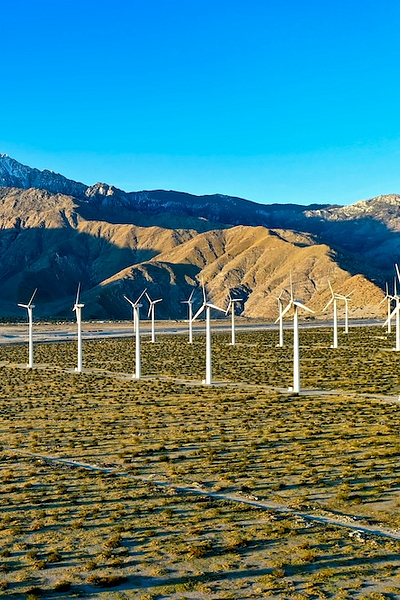
Solar, wind and storage are more affordable and can be deployed faster than anything else on the market, and state leaders should use every tool to deploy this low-cost energy. They can streamline siting and permitting – one of the most significant barriers to deploying clean energy across the country. They can work to accelerate interconnection processes, with utilities and regional grid operators. They can plan and finance transmission. And they can let consumers use their own solutions, like plug-in solar. In states with vertically integrated utilities, policymakers can ensure those utilities have to meet an energy performance standard that requires them to deliver more clean, low fuel-cost energy to their customers. And states can lead on planning and procurement policies, especially those in restructured markets that want to address their market’s inherent shortsightedness.
In addition, states that want to give their residents relief from rising gas utility bills can help homeowners access electric appliances. They can invest in public transit and electric vehicle charging infrastructure to give much-needed relief from Donald Trump’s $5 gasoline. States that want to host thriving, competitive manufacturers can help those firms cut their energy waste and their emissions.
Clean Energy is No-Fuel-Cost Energy

Clean energy represents more than 90% of the new energy capacity added to the U.S. grid so far this year. It’s the cheapest, most readily-available energy – largely because it has no fuel cost.
Third, turn state momentum into a national agenda
States have an enormous opportunity to lead on building a more affordable, secure and prosperous economy powered with clean energy. And their progress can serve as a model for a national agenda. The Inflation Reduction Act did not come out of thin air. For years, states proved that clean energy policies work, and that voters will back them. Democrats won the White House and Congress in 2020, and armed with those lessons they passed transformative energy, climate and infrastructure legislation. The ideas were tested and the coalition was ready, thanks in no small part to state leadership.
States can and should take the lead on a new playbook of innovative policies that drive down energy costs, promote a thriving and competitive U.S. economy, and reduce the emissions causing global climate change. Between now and the day the next Democratic president and Congress take office in 2029, state leaders, advocates and members of Congress should write the agenda together:
Lower household energy bills;
Build transmission and speed up permitting for clean power;
Invest in clean and competitive American manufacturing and good union jobs;
Empower state clean energy leadership; and
Make Big Oil & Gas answer for the costs of their products – at the pump, on the utility bill, and to our climate
Voters did their part. They chose candidates who promised cheaper energy and a more affordable economy. Now it’s our job to turn those promises into laws, rate decisions and power lines in every statehouse, and then in Washington, D.C.
The economics of energy affordability are on our side. So are the voters. Let’s go build it.
Watts on my radar
Unlock the Grid: A Blueprint to Deliver the Power America Needs
Meet Unlock the Grid, a new initiative from Energy Innovation, GridLab, and S2 Strategies. It gives state legislators and regulators practical, durable policy tools to get more power on the grid, faster, using clean and innovative solutions. It doesn’t stop at policy, either: the team works hands-on with states to make those policies happen.
How Democrats Can Make Sure Their Energy Policy Sticks
“States at the center of what comes next. A new class of governors and state lawmakers — including six new Democratic trifectas — will take office in 2027 ready to act on energy affordability. Given the limited opportunities in Washington, federal lawmakers will need to rely on state governments to advance an effective national energy agenda… The question before them is how to design policy with that in mind from the start.”
My friends Shara Mohdati and Sam Ricketts write about how the next federal energy agenda must be a partnership with states.
Anthropic becomes one of the worst polluting data centers in America
As Lori Lodes of Climate Power said, “Americans just demanded limits on data center costs and pollution, but Anthropic is doubling down on President Trump’s push for fossil-fueled AI.”
My take: If AI runs on gas, that’s not a victory for artificial intelligence. It’s simply natural stupidity.
A third major US offshore wind farm is now fully operational
A big victory despite setbacks: Ørsted’s 704-megawatt Revolution Wind farm, off the coast of Connecticut and Rhode Island, reached full capacity in October. That makes it the third utility-scale offshore wind farm in the U.S. to reach full commercial operation, after South Fork Wind and Vineyard Wind, and it can power the equivalent of more than 350,000 New England homes.
Excellent column!!!